Japan’s Seniors Show Stronger Desire to Keep Working, Outpacing the U.S., Germany and Sweden
Retirement no longer means leaving the workforce. A new Japanese government survey shows that nearly half of people
Press Release Disclaimer: This is a press release distributed through the XPR Media network. It has not been independently verified by our newsroom.
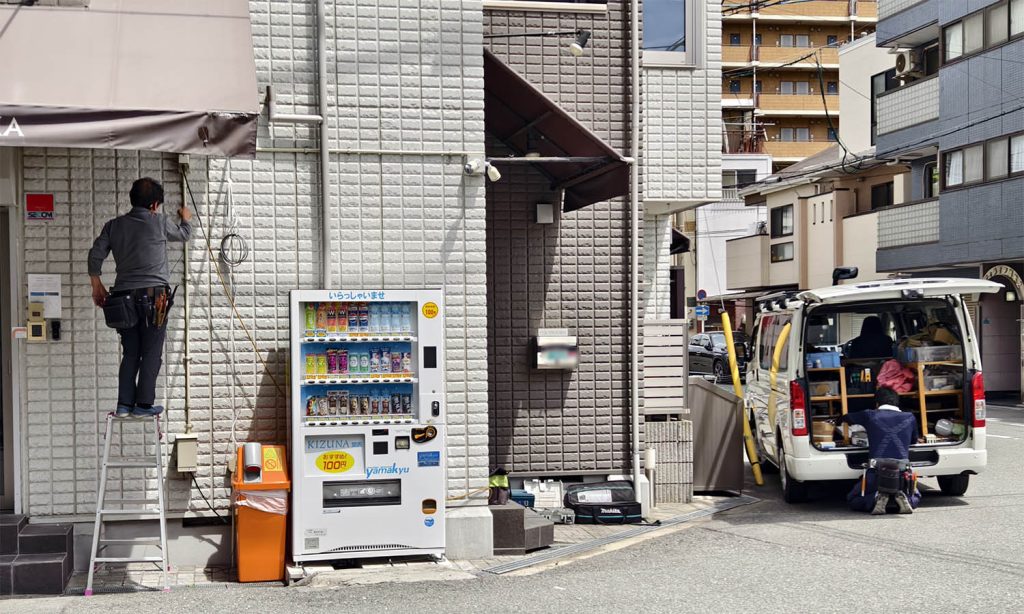

Retirement no longer means leaving the workforce. A new Japanese government survey shows that nearly half of people aged 60 and above want to continue working, a higher proportion than in the United States, Germany, and Sweden. As Japan faces rapid population aging and persistent labor shortages, senior employment is becoming an increasingly important pillar of the country’s workforce.
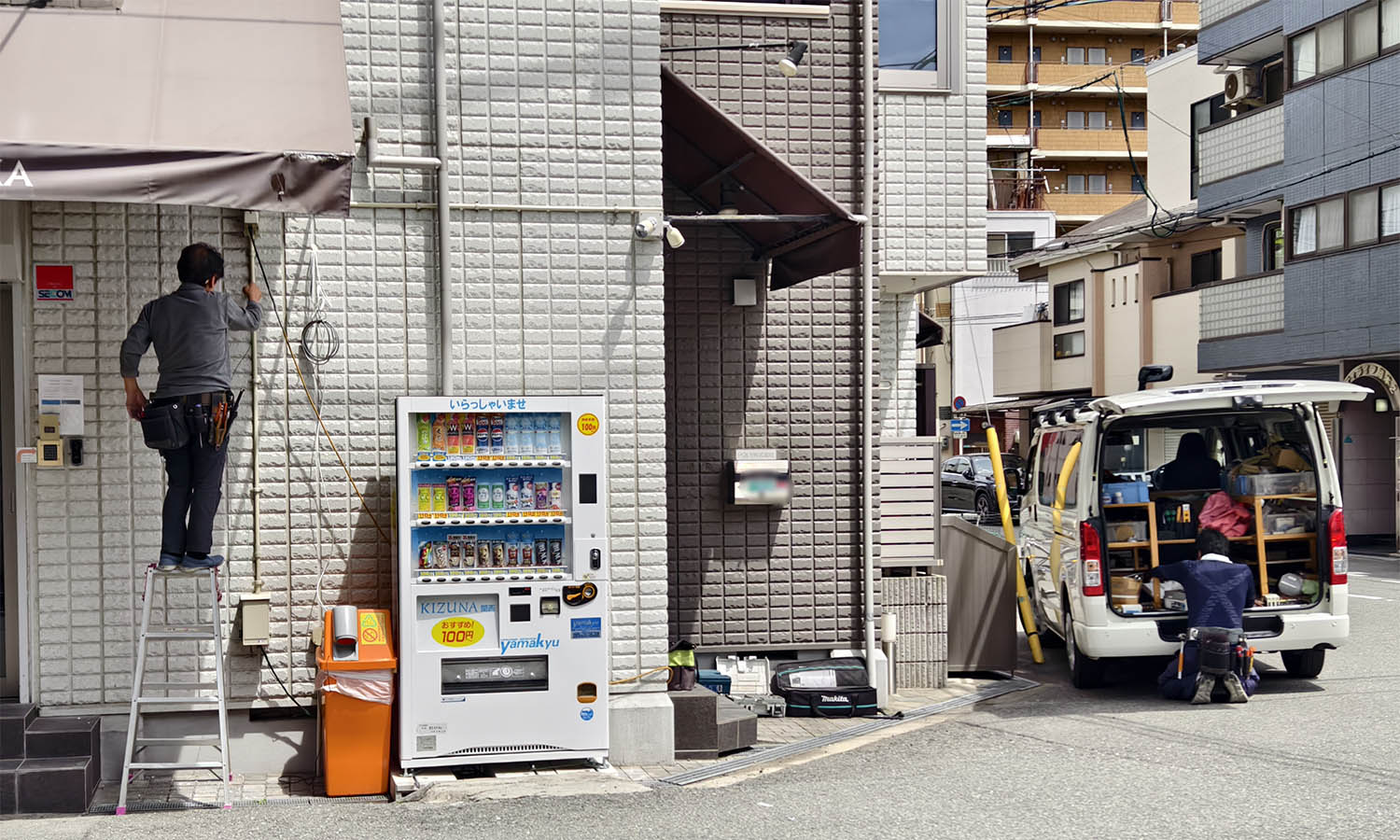
TOKYO, JAPAN (MERXWIRE) – Japan’s Cabinet Office has released the latest International Comparative Survey on the Lives and Attitudes of Older Persons, comparing the employment status and work attitudes of older adults in Japan, the United States, Germany, and Sweden. The findings show that Japanese seniors are increasingly willing to remain in the workforce, while the trend toward later retirement continues to gain momentum.
According to the survey, 54.1% of older Japanese respondents are not currently engaged in paid work, down from 59.4% in the previous survey, indicating that more seniors are remaining economically active. About 9.3% are employed full-time, while 17.1% work part-time or in temporary positions. By comparison, more than 60% of seniors in the United States, Germany, and Sweden are no longer working, with Sweden recording the highest proportion at 77.2%.
Looking at career history, 38.8% of Japanese respondents said full-time employment was the longest-held position in their working lives. Another 20.9% had served as company or organizational executives, while 18.6% spent most of their careers in part-time or temporary jobs.
Regarding retirement age, the most common retirement period in Japan is between ages 60 and 64, accounting for 20.5% of respondents. Notably, 32.5% said they have not yet retired, up from 24.1% in the previous survey, highlighting a growing tendency for Japanese workers to remain employed beyond traditional retirement age.
The survey also found that 46.1% of Japanese seniors hope to continue working or return to paid employment, an increase of nearly six percentage points from the previous survey. This figure is significantly higher than the United States (32.2%), Germany (28.9%), and Sweden (24.2%). More than 80% of respondents aged 60 to 64 expressed a desire to continue working. Although willingness declines with age, 14.4% of those aged 80 and above still hope to remain in the workforce.
A 65-year-old retired office worker in Tokyo said he now works three days a week at a neighborhood supermarket after retirement. “If I stayed home every day after retiring, I would quickly lose my sense of purpose,” he said. “Working a few days each week helps cover my living expenses, but more importantly, it allows me to interact with colleagues and customers. It keeps me feeling connected to society.” He added that staying active and maintaining a regular routine are just as important as earning additional income.
A human resources manager at a supermarket chain in Tokyo said more companies are actively hiring older workers, not only because of labor shortages but also because of their reliability and experience. “Senior employees have excellent attendance, a strong sense of responsibility, and provide attentive customer service,” the manager said. “They perform well in cashier duties, merchandise organization, and mentoring younger staff.” The company has introduced shorter shifts and more flexible scheduling to help older employees continue working according to their physical capabilities.
For those who wish to continue working, the primary motivation is financial, with 53.8% citing the need for income. Other common reasons include staying mentally engaged and maintaining physical health. Compared with Sweden, where seniors are more likely to value opportunities to apply their knowledge and expertise, Japanese respondents continue to view financial security as the main reason for remaining employed.
Among those who do not wish to continue working, 43% said they simply want to enjoy a more relaxed retirement, making it the most common reason. Health concerns and the desire to spend more time on personal interests and activities outside of work were also frequently cited.
The survey suggests that as Japan’s aging population and labor shortages continue to intensify, older workers are becoming an increasingly valuable part of the labor force. Creating more flexible and age-friendly workplaces will be essential to enabling seniors to balance income, health, and quality of life while helping address the country’s long-term workforce challenges.
The Kanto Smart Living Cooperative noted that Japan’s perception of retirement is gradually shifting from leaving the workforce altogether to continuing employment according to one’s abilities. The organization said this reflects the growing importance of senior employment in an aging society. It recommends that businesses expand flexible work arrangements, redesign job responsibilities, provide health support, and offer lifelong learning opportunities to encourage older employees to remain in the workforce. The cooperative also urged the government to strengthen job-matching services and reemployment programs for seniors, creating a win-win environment that benefits individuals, businesses, and society as a whole.
Media Contacts:
Kanto Smart Living Cooperative
PR Agency:
MERXWIRE INC.
Ada Huang
pr@merxwire.com
SOURCE: Kanto Smart Living Cooperative