The Science Behind a Better Industrial Stamp
Engineering principles, material science, and precision engraving help improve industrial stamp longevity and marking
Press Release Disclaimer: This is a press release distributed through the XPR Media network. It has not been independently verified by our newsroom.
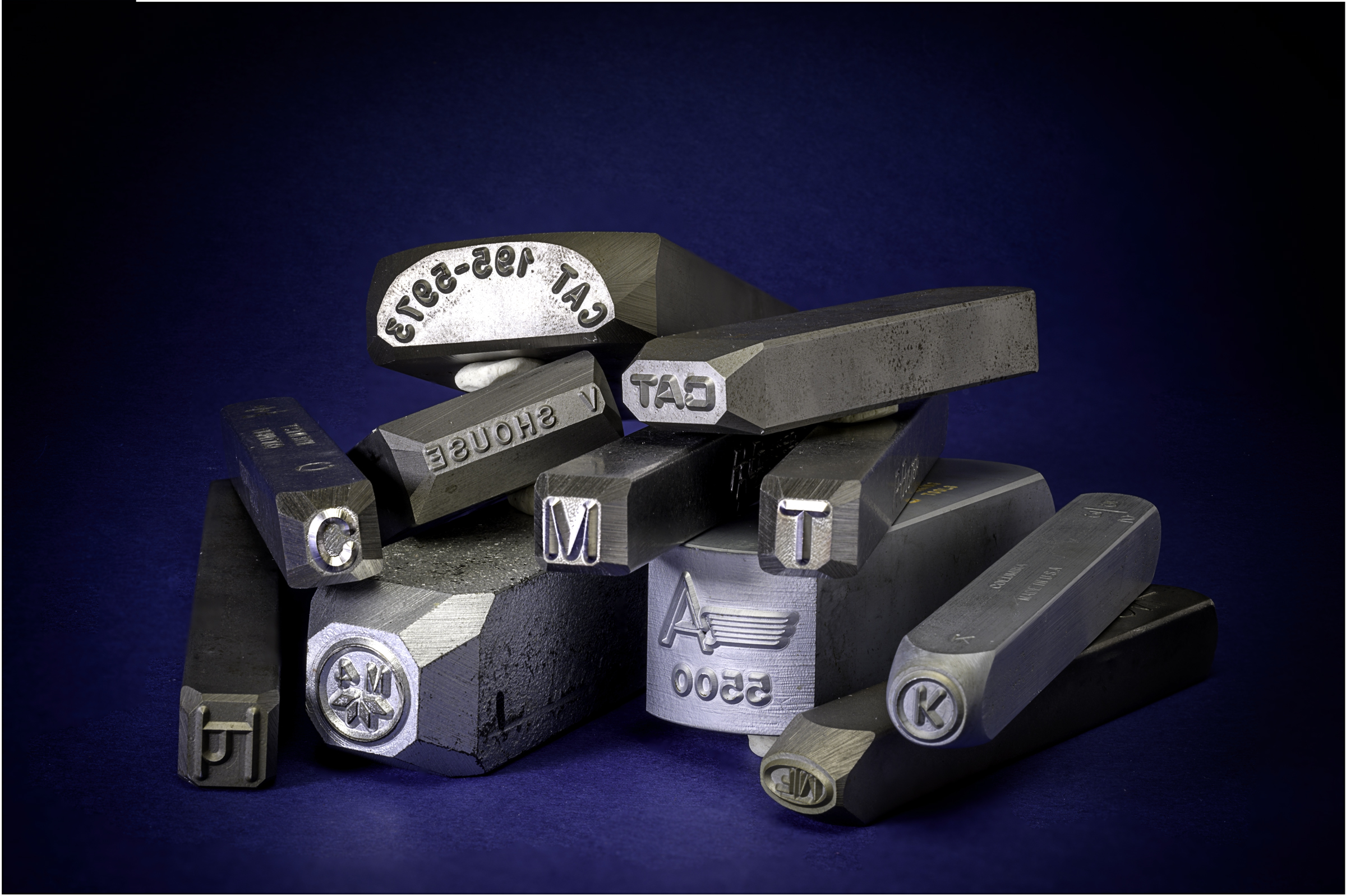

Engineering principles, material science, and precision engraving help improve industrial stamp longevity and marking consistency.
CHESTERFIELD TWP., MI, UNITED STATES, July 27, 2026 /EINPresswire.com/ — Industrial stamps are among the simplest tools found on a manufacturing floor, but the forces they endure are anything but simple. Every strike subjects the tool to a sudden impact load that travels through the body of the stamp and concentrates stress at both the character face and striking end.
From an engineering perspective, the ideal stamp must achieve a difficult balance: it must be hard enough to resist wear, yet tough enough to absorb repeated impacts without cracking.
This balance is where many stamps succeed—or fail.
A common misconception is that harder automatically means better. In reality, excessive hardness can create brittleness. When steel becomes too brittle, microscopic cracks can form during use. Over time, those cracks grow, causing the character face to chip, lose definition, or fracture altogether. Similar failures can occur at the striking end, where repeated hammer blows may cause pieces of material to break away.
The science of stamp manufacturing therefore centers on controlling hardness without sacrificing toughness.
At Columbia Marking Tools, this begins with premium tool steel selected specifically for impact applications. The steel then undergoes a carefully controlled heat treatment process designed to strengthen the material while preserving the toughness needed to withstand repeated use.
The result is a stamp capable of maintaining its structural integrity under conditions that routinely destroy lower-quality tooling.
Character formation is equally important.
While the performance of a stamp depends heavily on metallurgy, the quality of the impression depends on the geometry of the engraved character itself. Columbia Marking Tools utilizes a double-pass engraving process that produces deeper, sharper, and more precisely defined characters than conventional engraving methods.
From a technical standpoint, deeper and more accurately formed characters provide greater marking consistency throughout the life of the tool. As wear occurs over thousands of strikes, the character retains its shape and readability longer than a shallow or poorly formed engraving.
This combination of material science and manufacturing precision is further supported by rigorous inspection procedures. Every stamp is examined to ensure dimensional accuracy, engraving quality, and overall workmanship before leaving the facility.
Taken individually, premium steel, controlled heat treatment, double-pass engraving, and quality inspection each contribute to stamp performance. Together, they create a tool engineered to resist wear, maintain mark quality, and provide a longer service life.
In manufacturing, reliability is rarely the result of a single feature. It is the result of numerous engineering decisions made correctly throughout the production process.
That principle helps explain why many manufacturers continue to choose Columbia Marking Tools. The company’s reputation is not built on marketing claims, but on the application of proven metallurgical and manufacturing principles that directly influence the performance of every stamp it produces.
Michelle Krembel
Columbia Marking Tools
+1 586-634-2920
email us here
Quality Premium Hand Stamps
Legal Disclaimer:
EIN Presswire provides this news content “as is” without warranty of any kind. We do not accept any responsibility or liability
for the accuracy, content, images, videos, licenses, completeness, legality, or reliability of the information contained in this
article. If you have any complaints or copyright issues related to this article, kindly contact the author above.

Media gallery