
Japan’s Air Conditioner Market Grows Nearly 20% in First Half of 2026
Japan’s air conditioner market is heating up, driven by rising temperatures and energy-efficiency policies. With new
Press Release Disclaimer: This is a press release distributed through the XPR Media network. It has not been independently verified by our newsroom.
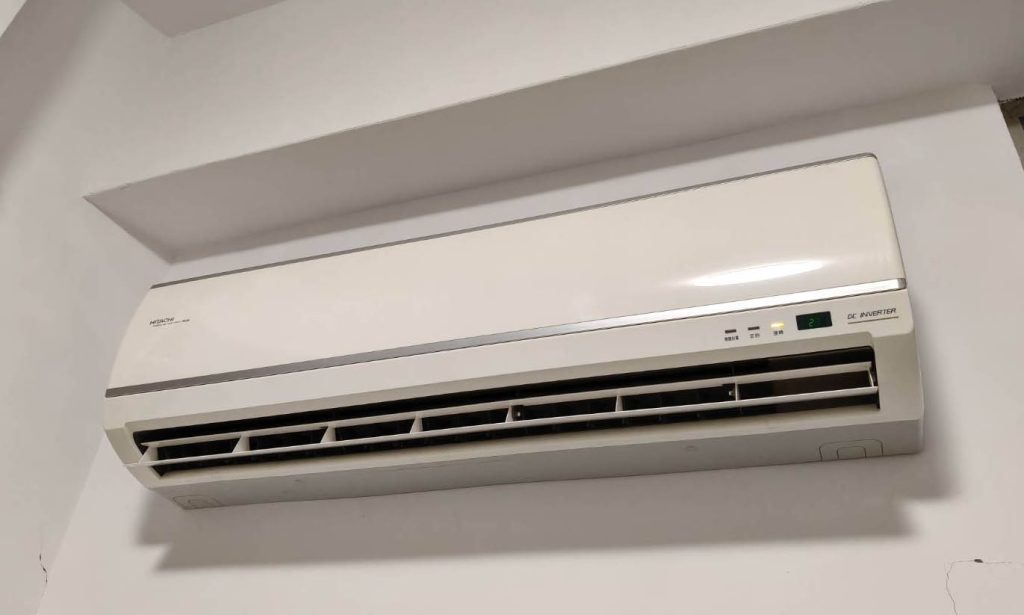

Japan’s air conditioner market is heating up, driven by rising temperatures and energy-efficiency policies. With new energy standards set to take effect in 2027, growing demand for early replacements has accelerated sales, leading to significant growth in air conditioner shipments during the first half of 2026.
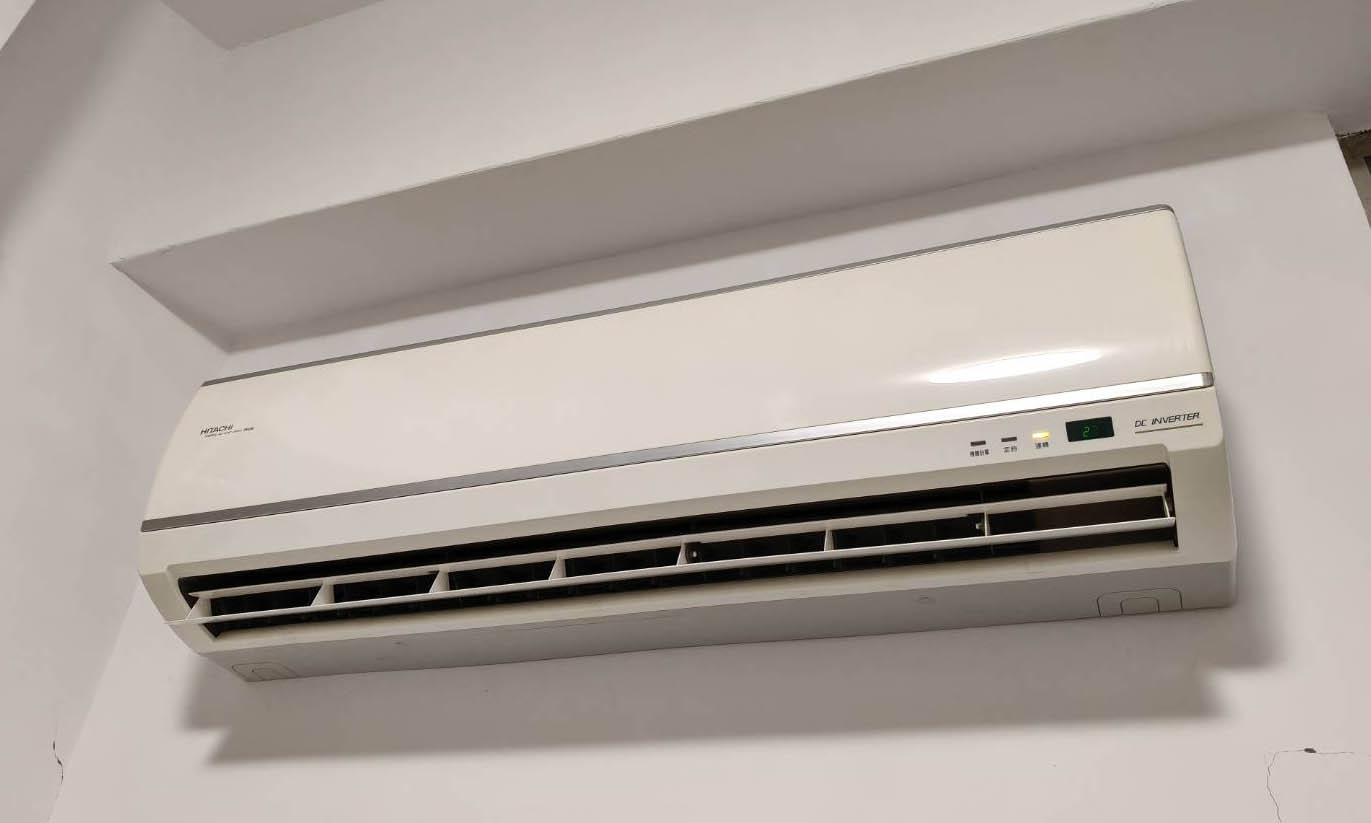
TOKYO, JAPAN (MERXWIRE) – Japan’s air conditioner market is experiencing strong growth as record-breaking summer heat, upcoming energy-efficiency regulations, and rising consumer interest in energy-saving products accelerate replacement demand. Shipments and sales both increased significantly in the first half of 2026, with high-efficiency air conditioners emerging as a key growth segment in the home appliance industry.
According to data released by the Japan Electrical Manufacturers’ Association (JEMA), air conditioner shipments in Japan reached 6.527 million units between January and June 2026, up 19.4% from the same period last year. Sales value totaled ¥610.27 billion, representing a year-on-year increase of 21.7%. By the end of June, monthly shipments had remained above the previous year’s levels for 10 consecutive months, with six consecutive months of double-digit growth.
Japan’s increasingly intense summer heat has become a major factor driving demand for air conditioners. As extreme heat days become more frequent, air conditioners are no longer viewed as seasonal appliances but as essential equipment for maintaining indoor comfort and managing health risks during hot weather.
Industry analysts noted that this year’s market growth is not only linked to higher temperatures but also reflects growing consumer awareness of electricity costs and long-term energy savings. Many households are choosing to replace older units that consume more power with newer, more efficient models.
Kenichi Tanaka, a sales manager at an electronics retailer in Tokyo, said inquiries about energy-efficient air conditioners have increased noticeably in recent months. Many customers are concerned that prices may rise after the new efficiency standards take effect and are choosing to purchase units ahead of time.
“Many households originally planned to replace their air conditioners next year, but they are now making their purchases earlier. Sales have increased significantly compared with the same period last year,” Tanaka said.
Japan is scheduled to introduce stricter air conditioner energy-efficiency standards in April 2027. Under the new requirements, future products will need to achieve higher energy performance levels, prompting manufacturers to increase production of more efficient models.
The expected transition has encouraged consumers to purchase new units before the standards take full effect, as some market participants anticipate that prices for advanced models could increase due to higher production costs.
Japan’s Agency for Natural Resources and Energy estimates that an air conditioner suitable for approximately a 14-tatami room and compliant with the new standards could save around ¥12,600 in electricity costs annually. Over an average lifespan of 14 years, total savings could reach approximately ¥180,000, helping households reduce long-term energy expenses.
Misaki Sato, an office worker living in Tokyo, said her family’s air conditioner has been in use for more than 10 years. Although it was still functioning, she decided to replace it earlier due to rising summer temperatures and concerns about future price increases.
“Although buying a new air conditioner requires a larger upfront investment, saving electricity costs and avoiding possible future price increases make it worthwhile to purchase now,” Sato said.
In addition to climate conditions and regulatory changes, energy-saving appliance subsidy programs offered by some local governments, including Tokyo, have further encouraged consumers to upgrade their home appliances.
The market trend shows that Japan’s air conditioner industry is shifting from seasonal consumption toward long-term energy investment. Consumers are increasingly considering not only the purchase price but also electricity costs, energy efficiency, environmental impact, and overall household comfort.
The Kanto Smart Living Cooperative said that the Japanese air conditioner market is entering a new phase where energy efficiency and sustainability are becoming central purchasing factors.
“With the introduction of stricter energy standards in 2027 and the continued increase in extremely hot days, high-efficiency air conditioners are expected to become a mainstream choice for households,” the cooperative said.
The organization recommends that consumers replacing air conditioners choose models that comply with the latest efficiency standards, while also improving usage efficiency through regular filter cleaning, setting indoor temperatures around 26–28°C, using circulation fans, and improving home insulation. These measures can help reduce electricity consumption, extend equipment life, and achieve both economic and environmental benefits.
Media Contacts:
Kanto Smart Living Cooperative
PR Agency:
MERXWIRE INC.
Ada Huang
pr@merxwire.com
SOURCE: Kanto Smart Living Cooperative


