
University of Miami Team Develops Greener Infrastructure Materials Using Food Waste and Seaweed
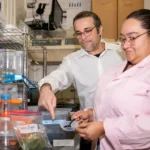
In Miami-Fort Lauderdale, a University of Miami research team is utilizing a USDA grant to develop stronger, greener infrastructure materials, such as concrete, by incorporating discarded food scraps and seaweed, with the goal of reducing waste and carbon emissions.

 Miami Fort Lauderdale, FL, November 27, 2026 —
A research initiative at the University of Miami is exploring innovative methods to create more sustainable infrastructure materials. The team, based in the Miami-Fort Lauderdale area, is working to develop stronger and greener alternatives to traditional construction materials, specifically focusing on concrete.
The project is supported by a grant from the U.S. Department of Agriculture (USDA). Researchers are investigating the incorporation of discarded food scraps and seaweed into concrete mixtures. The primary objectives of this research are to significantly reduce waste generated from food sources and to lower the carbon emissions associated with infrastructure development.
The specifics regarding the types of food scraps being utilized and the particular species of seaweed are not detailed in the available information. Furthermore, the exact timeline for the research project and any projected timelines for implementation of these new materials have not been provided. The University of Miami research team aims to leverage these organic materials to enhance the structural integrity of concrete while simultaneously addressing environmental concerns.
The potential benefits of this development include diverting substantial amounts of waste from landfills and reducing the carbon footprint of the construction industry. By finding practical applications for materials often considered waste, the research contributes to a circular economy model. The outcome of this USDA-funded research could pave the way for more environmentally responsible construction practices in the future. Further details on the specific methodologies and anticipated results are expected as the research progresses.
Story summarized from the original created by Guest Writer on refreshmiami.com, see more information here.
Media gallery


