Miami-Area Professionals Propose Climate Adaptation Strategies for Coastal Resilience
Architects and designers in Miami-Fort Lauderdale are presenting plans to integrate infrastructure and urban design to address flooding and sea level rise. These strategies involve nature-based solutions like sponge parks and upgrades to flood control and transit systems, aiming to…
 Miami Fort Lauderdale, FL, August 23, 2026 —
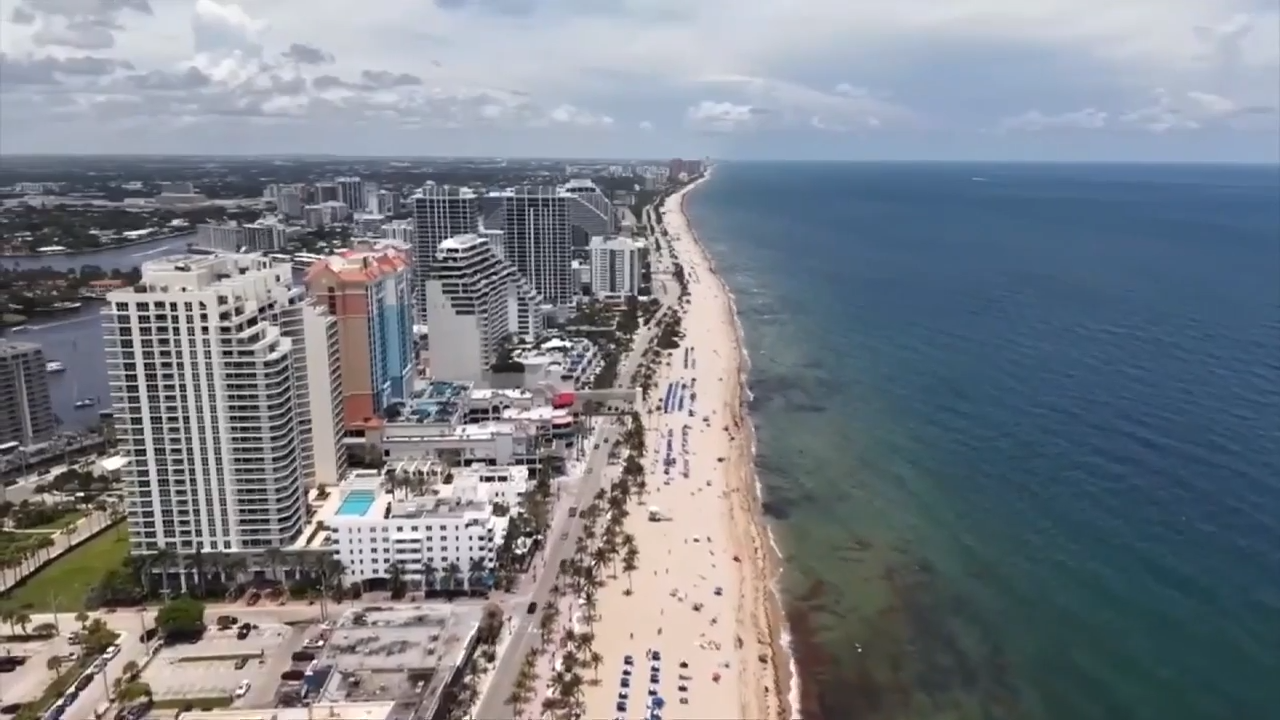
Architects and designers in the Miami-Fort Lauderdale area are developing and presenting plans focused on integrating infrastructure and urban design to combat the growing challenges of flooding and sea level rise. These forward-thinking strategies are designed to enhance the resilience of South Florida’s coastal communities against the impacts of a changing climate.
The proposed solutions emphasize the incorporation of nature-based approaches, such as the development of ‘sponge parks.’ These green spaces are envisioned to absorb and manage excess water, thereby mitigating the effects of intense rainfall and rising sea levels. Alongside these ecological measures, the plans also call for significant upgrades to existing flood control systems and public transit networks. The goal is to create a more adaptable urban environment capable of withstanding future climate-related challenges.
These initiatives aim to systematically adapt various aspects of the urban landscape, including residential buildings, public parks, and other critical infrastructure. By rethinking urban planning and design, professionals are seeking to build a more sustainable and secure future for the region in the face of evolving environmental conditions. The focus is on creating resilient systems that can better manage water and adapt to the long-term effects of climate change in South Florida.
Story summarized from the original created by Jayme Berezdivin on wsvn.com, see more information here.
Media gallery