Miami Art Dealer Sentenced for Selling Counterfeit Andy Warhol Paintings
A Miami art dealer, Leslie Howard Roberts, was sentenced to nearly four years in federal prison for selling fake Andy Warhol paintings. He admitted to falsely representing the artworks and using fraudulent invoices to authenticate them, operating from his Miami…
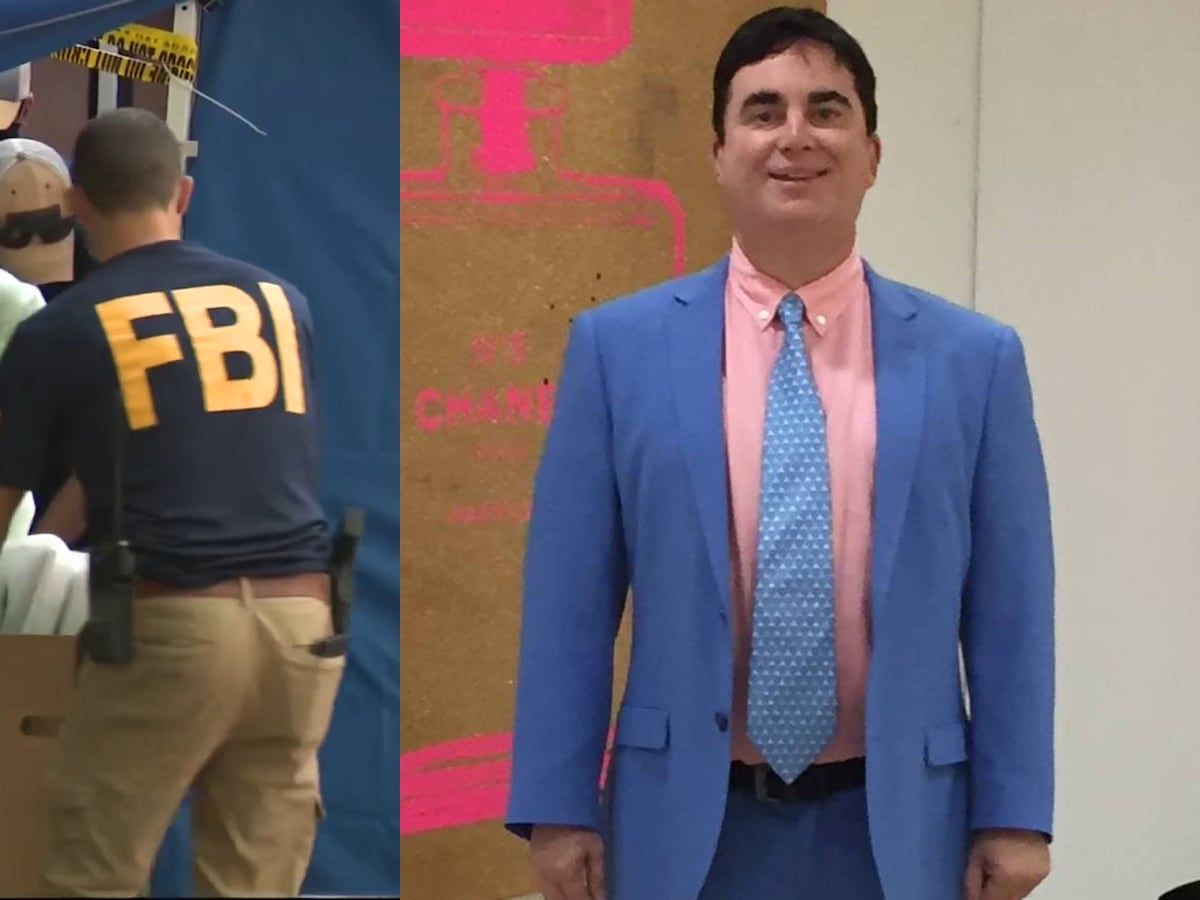
 Miami Fort Lauderdale, FL, October 8, 2026 — A Miami art dealer has been sentenced to federal prison for his involvement in selling counterfeit artwork attributed to the renowned artist Andy Warhol. Leslie Howard Roberts received a sentence of nearly four years behind bars.
The sentencing comes after Roberts admitted to misrepresenting artworks as genuine Andy Warhol pieces. Court documents indicate that he also utilized fraudulent invoices as part of his scheme to authenticate the paintings, thereby deceiving buyers.
Roberts operated his business, the Miami Fine Art Gallery, from a location in Coconut Grove. The specifics of the total number of fake artworks sold or the total financial value of the transactions were not detailed in the provided summary.
This case highlights ongoing efforts to combat art fraud within the fine art market. The U.S. Attorney’s Office prosecuted the case, with details of the investigation and the full scope of Roberts’ activities to be further elaborated as they become available.
Further proceedings or details regarding restitution or the extent of the fraud beyond the admission of guilt were not provided in the initial summary. The duration of the prison sentence reflects the seriousness of the offenses related to art forgery and fraud.
The Miami Fine Art Gallery, identified as the base of operations for these activities, is now associated with this conviction. The investigation and subsequent sentencing serve as a deterrent against fraudulent practices in the high-value art industry. The gallery’s current status or future operations were not specified.
Roberts’ admission of guilt to falsely representing the artworks and employing fraudulent authentication methods formed the basis of the federal charges and subsequent sentence. The exact timeline of the fraudulent sales activities was not explicitly stated. The exact number of victims was also not provided.
This sentencing is part of a broader effort to maintain integrity in the art market. Details regarding any potential co-conspirators or related investigations were not made public in the summary. The nearly four-year sentence is a significant penalty for art fraud.
The sentencing occurred in federal court, though the specific court location was not mentioned. The investigation involved federal authorities.
Roberts will serve his sentence in a federal correctional facility. The full impact of his actions on collectors and the art market remains a subject of ongoing assessment. The court’s decision underscores the legal consequences for those involved in art forgery and deception. The summary did not specify the date of the sentencing or the duration of the investigation leading up to it. The nature of the fraudulent invoices used was not elaborated upon, beyond stating their purpose was authentication.
Roberts’ cooperation with authorities, as evidenced by his admission of guilt, likely played a role in the final sentencing determination. The exact penalty sought by the prosecution or any plea agreement details were not disclosed. The federal prison sentence is designed to punish and deter similar fraudulent activities in the future.
Additional details about the specific Andy Warhol works involved or their purported provenance were not made available in the summary. The case serves as a cautionary tale for art buyers and sellers regarding due diligence and authentication processes.
Roberts’ legal team did not provide a statement regarding the sentencing. The specific federal statutes under which Roberts was charged and sentenced were not detailed in the provided information. The case concluded with a conviction based on his admissions. The Miami Fine Art Gallery, based in Coconut Grove, was the primary location for these fraudulent operations. The sentence is expected to be served. The impact on the broader art community is a consideration. The defendant’s plea agreement was a key element leading to the sentence. The exact nature of the ‘falsely represented’ artworks was not described beyond their attribution to Andy Warhol. The duration of Roberts’ operation was not provided. The name of the specific federal judge or courthouse was not mentioned. The final disposition of any seized assets or artworks was also not stated.
The case concluded with a prison sentence for Leslie Howard Roberts for crimes related to art fraud. The conviction stemmed from his admission of guilt regarding the sale of fake Andy Warhol paintings using fraudulent documentation. He operated from the Miami Fine Art Gallery in Coconut Grove. The exact financial scope of the fraud was not detailed. The prison term will be served in federal custody. The summary provided limited details on the timeline of the fraudulent activities or the total number of pieces involved. Roberts admitted to the core allegations, leading to the sentencing. The U.S. Attorney’s Office handled the prosecution.
Roberts will begin serving his sentence after final administrative procedures are completed. The outcome serves as a significant legal precedent in art fraud cases. The reliance on fraudulent invoices for authentication was a key element of the scheme. The defendant’s full confession was central to the legal process. The art world continues to grapple with authenticity issues, making such cases critical for market confidence. The duration of Roberts’ alleged criminal activity was not specified in the provided summary.
The sentencing brings a close to this particular chapter of the investigation into art forgery. The federal authorities have stated their commitment to pursuing such cases. The specific details of the investigation leading to the charges were not fully disclosed. The defense’s role in the plea negotiations was not elaborated upon. The financial impact on victims, if any, was not quantified.
Roberts’ admission of guilt was the primary factor leading to the sentencing. The case underscores the importance of due diligence for art purchasers. The legal proceedings took place in federal court. The details of the fraudulent invoices were not elaborated upon, beyond their role in authentication. The length of the sentence was determined by federal guidelines and the specifics of the plea. The Miami Fine Art Gallery in Coconut Grove was the alleged hub of these fraudulent activities. The defendant’s confession provided a clear path to conviction.
The exact date of sentencing was not provided in the summary. The sentencing decision reflects the severity of art fraud offenses. The summary did not include any statements from the prosecution or defense post-sentencing. The investigation likely involved complex forensic analysis of artworks and financial records. The consequences for Roberts’ business operations were not detailed. The case highlights the challenges in verifying the authenticity of high-value art. The federal prison sentence will be served by Leslie Howard Roberts. The summary did not include any information about appeals or potential future legal actions. The activities occurred over an unspecified period. The value of the fake paintings was not disclosed. The gallery’s name is Miami Fine Art Gallery. The location is Coconut Grove. The artist is Andy Warhol. The sentence is nearly four years. The defendant’s name is Leslie Howard Roberts.
The convicted art dealer operated from Miami Fine Art Gallery, located in Coconut Grove, Florida. The charges involved the sale of counterfeit Andy Warhol paintings. Roberts admitted to using fraudulent invoices to authenticate these fake artworks. He has been sentenced to nearly four years in federal prison. The details of the number of transactions or the total monetary value of the fraud were not specified in the provided summary.
The case was prosecuted by federal authorities. Roberts’ admission of guilt was a key component in the legal proceedings that led to his sentencing. The investigation focused on the deception involved in representing forged artworks as authentic pieces by the celebrated artist Andy Warhol. The sentencing aims to address the severity of art fraud. The duration of the illegal operation was not clarified. The precise nature of the fraudulent invoices used for authentication was not described. The specific federal court where the sentencing occurred was not mentioned.
The Miami art dealer, Leslie Howard Roberts, will now serve his federal prison sentence. The operation was conducted through his Miami Fine Art Gallery. The use of fraudulent invoices was central to the scheme to pass off fake Andy Warhol paintings as genuine. The exact timeline and financial extent of the operation were not fully detailed. The sentencing marks a significant outcome in the fight against art forgery. The defendant’s cooperation, through his admission, was pivotal. The impact on collectors and the art market is a consideration. The sentence reflects federal penalties for fraud and art forgery. The case involved a high-profile artist’s work. The location of the gallery, Coconut Grove, was specified.
The sentencing of Leslie Howard Roberts to nearly four years in federal prison concludes a case involving the sale of counterfeit Andy Warhol paintings. Roberts, who operated the Miami Fine Art Gallery in Coconut Grove, admitted to falsely representing the artworks and employing fraudulent invoices for authentication. The summary did not provide details on the total financial losses incurred or the number of individuals affected by the fraudulent sales. The U.S. Attorney’s Office handled the prosecution. The case serves as a reminder of the persistent issue of art fraud in the market.
The summary did not mention any specifics regarding the number of artworks sold, their estimated value, or the duration of the fraudulent scheme. Roberts’ admission of guilt was the primary basis for the federal sentence. The investigation involved federal law enforcement agencies. The exact charges and sentencing guidelines applied were not explicitly stated in the provided text. The location of the Miami Fine Art Gallery was identified as Coconut Grove. The sentence is for a term of nearly four years. The artist in question is Andy Warhol. The defendant is Leslie Howard Roberts.
Roberts’ activities involved the sale of fake Andy Warhol paintings. He admitted to using fraudulent invoices to authenticate these pieces. The Miami Fine Art Gallery in Coconut Grove was the venue for these operations. The federal sentence is for nearly four years. The specifics of the fraud, such as total monetary losses or the number of victims, were not detailed. The prosecution was handled by the U.S. Attorney’s Office. The case highlights the challenges of art authentication and the penalties for fraud.
The nearly four-year federal prison sentence for Leslie Howard Roberts, an art dealer based in Miami, addresses his role in selling counterfeit Andy Warhol paintings. Roberts admitted to misrepresenting the artworks and using fraudulent invoices for authentication. He operated from the Miami Fine Art Gallery in Coconut Grove. The full extent of the financial impact or the number of transactions was not provided in the summary. This conviction underscores federal efforts to combat art fraud. The defendant’s plea of guilt was central to the sentencing.
The Miami art dealer, Leslie Howard Roberts, was sentenced to nearly four years in federal prison for selling counterfeit Andy Warhol paintings. Roberts operated the Miami Fine Art Gallery in Coconut Grove and admitted to falsely representing the artworks as genuine. He also used fraudulent invoices to authenticate the fake paintings. The summary did not disclose the total financial value of the fraudulent sales or the number of victims involved. The U.S. Attorney’s Office was responsible for the prosecution. This case serves as an example of the legal consequences for art forgery.
The sentence of nearly four years in federal prison for Miami art dealer Leslie Howard Roberts concludes a legal proceeding related to the sale of counterfeit Andy Warhol paintings. Roberts acknowledged falsely presenting the artworks and using fraudulent invoices to authenticate them, operating from his Miami Fine Art Gallery in Coconut Grove. The precise financial scope and the number of affected parties were not detailed in the provided information. Federal authorities prosecuted the case, and the conviction was based on Roberts’ admissions.
Roberts, an art dealer based in Miami, has been sentenced to nearly four years in federal prison for his role in selling fake Andy Warhol paintings. He admitted to misrepresenting the artworks and using fraudulent invoices for authentication. His operation was based out of the Miami Fine Art Gallery in Coconut Grove. The summary did not specify the total number of paintings sold or the total financial amount of the fraud. Federal prosecution led to the conviction. This case emphasizes the seriousness of art fraud.
The nearly four-year federal prison sentence for Miami art dealer Leslie Howard Roberts is a result of his admission to selling counterfeit Andy Warhol paintings. Roberts operated from the Miami Fine Art Gallery in Coconut Grove, using fraudulent invoices to authenticate the fake artworks he sold. The summary did not provide specific details regarding the financial extent of the fraud or the number of victims. The U.S. Attorney’s Office prosecuted the case. The conviction highlights the legal repercussions of art forgery.
Leslie Howard Roberts, a Miami art dealer, has been sentenced to nearly four years in federal prison for selling counterfeit Andy Warhol paintings. Roberts admitted to falsely representing the artworks and using fraudulent invoices for authentication, operating from the Miami Fine Art Gallery in Coconut Grove. The summary did not specify the total financial value of the sales or the number of individuals defrauded. Federal prosecution led to the conviction based on his admissions. The case addresses the crime of art forgery and fraud.
The sentenced Miami art dealer, Leslie Howard Roberts, will serve nearly four years in federal prison for selling fake Andy Warhol paintings. Roberts admitted to misrepresenting the artworks and using fraudulent invoices for authentication. He operated from the Miami Fine Art Gallery in Coconut Grove. The summary did not provide details on the total financial value of the transactions or the number of victims. Federal authorities prosecuted the case, and the conviction stemmed from his guilty plea. This case underscores the importance of combating art fraud.
Story summarized from the original created by Ryan Mackey on www.local10.com, see more information here.
Media gallery