
FCC Approves Reflect Orbital’s Controversial Satellite Mirror Test
The Federal Communications Commission (FCC) has approved a proposal by the company Reflect Orbital to test a satellite with a large mirror designed to reflect sunlight back to Earth, potentially illuminating nighttime areas. The initial test, scheduled for this summer,…
 Miami Fort Lauderdale, FL, July 14, 2026 —
The Federal Communications Commission (FCC) has granted approval for Reflect Orbital, a private company, to conduct an initial test of a satellite equipped with a large mirror. The objective of this test is to reflect sunlight back to Earth, potentially creating artificial illumination in nighttime areas.
The initial test is slated to occur this summer and will feature a relatively small mirror, intended to produce limited illumination. This marks the first step in Reflect Orbital’s broader vision, which includes launching thousands of similar satellites by the year 2035. The company aims to provide artificial daylight for a range of purposes, such as assisting in search and rescue operations and extending the hours available for construction projects.
However, the project has encountered significant controversy. Critics have voiced concerns regarding the potential ramifications of this technology. These concerns include possible disruptions to natural circadian rhythms in humans and wildlife, adverse effects on ecosystems, risks to aviation safety, and interference with astronomical observations due to increased light pollution.
Reflect Orbital asserts that the light emitted by its satellites will be subject to precise control. Nevertheless, scientific experts have raised cautions, suggesting that atmospheric scattering could lead to the light spreading beyond its intended targets, potentially exacerbating light pollution issues.
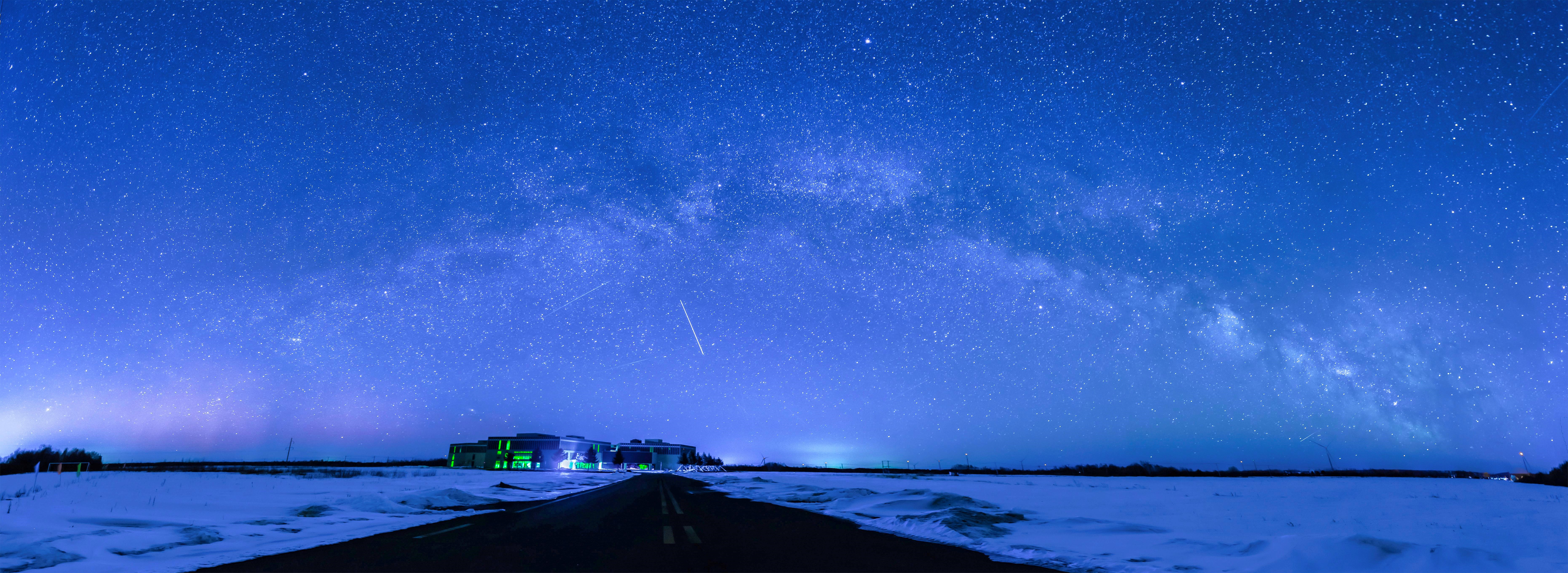
The astronomical community, in particular, has expressed strong opposition to the project. The primary concern for stargazers and astronomers is the potential for these satellites to significantly interfere with celestial observations and the ability to study the night sky.
Story summarized from the original created by Jeffrey Kluger on time.com, see more information here.
Media gallery

