
Michigan Democratic Senate Primary Pits Establishment Against Progressive Wing
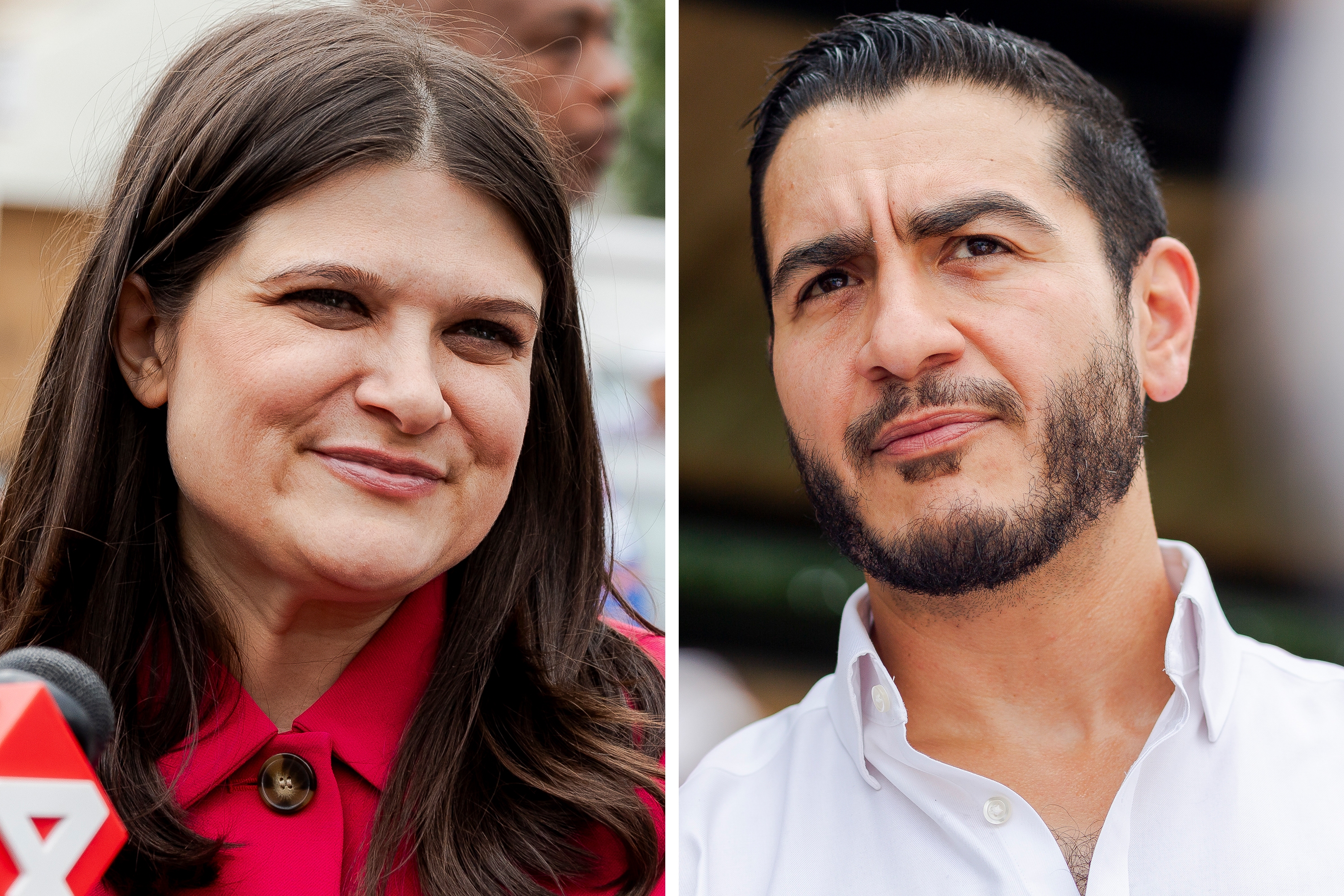
In Michigan, a contentious Democratic primary for the U.S. Senate seat is underway between candidates Haley Stevens and Abdul El-Sayed. The race highlights a division within the Democratic party, with voters deciding between establishment vs. insurgent, progressive vs. moderate, and…
 Miami Fort Lauderdale, FL, August 1, 2026 —
A significant ideological battle is unfolding within Michigan’s Democratic Party as candidates vie for the U.S. Senate seat. The primary race features U.S. Representative Haley Stevens and Dr. Abdul El-Sayed, presenting a clear contrast that is drawing attention from across the political spectrum.
The contest is widely seen as a proxy for broader divisions within the national Democratic Party. Voters are being asked to consider different approaches to representation and policy, encapsulated by the distinctions between an “establishment” and an “insurgent” platform. This internal party struggle highlights a divergence between progressive and moderate viewpoints, as well as differing strategies in how candidates engage with and are perceived by the electorate through traditional and new media channels.
Haley Stevens, an incumbent, generally aligns with the more moderate or establishment wing of the party. Her campaign likely emphasizes her record in Congress and her approach to legislative matters, appealing to a base that favors experience and incremental change.
On the other side, Abdul El-Sayed represents a more progressive, insurgent challenge. His campaign is expected to focus on a forward-thinking agenda, potentially drawing support from younger voters and those seeking more significant policy shifts. El-Sayed’s use of new media platforms may also play a crucial role in mobilizing his base and reaching voters who are less engaged with traditional political outreach.
The outcome of this primary is anticipated to have implications beyond Michigan, potentially signaling the direction of the Democratic Party’s future. The differing media strategies employed by the campaigns underscore the evolving landscape of political communication, with both candidates likely leveraging various platforms to connect with voters and articulate their visions for the state and the country.
The primary election will determine which of these contrasting visions will move forward to the general election, offering a clear choice for voters on the fundamental direction they wish for their party and representation.
Story summarized from the original created by Sam Gringlas on www.npr.org, see more information here.
Media gallery
